 Wate (Shandong) Energy Technology Co., Ltd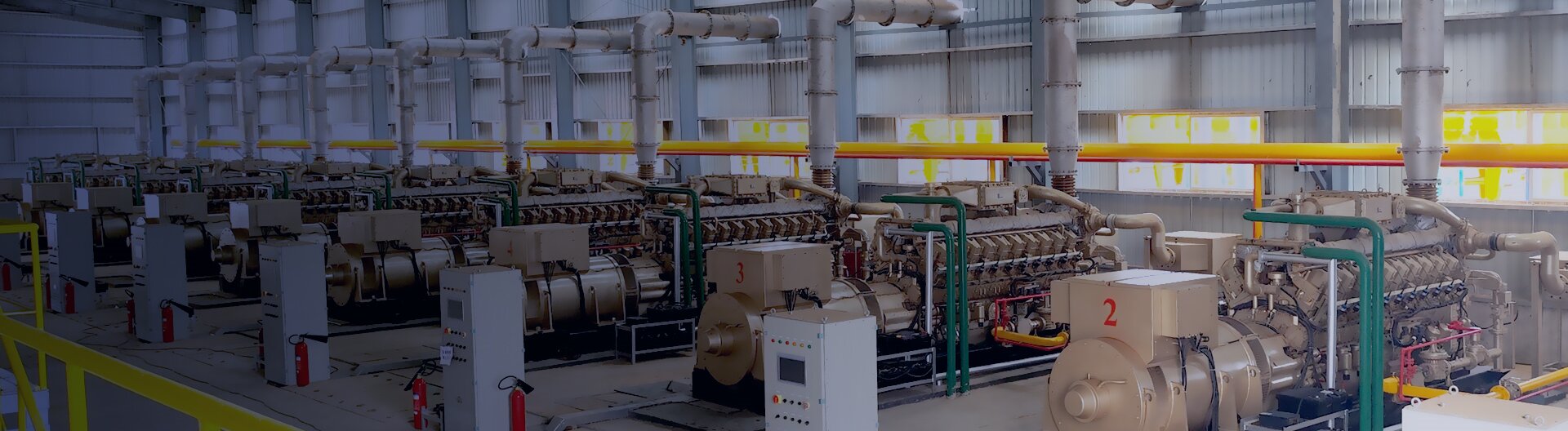
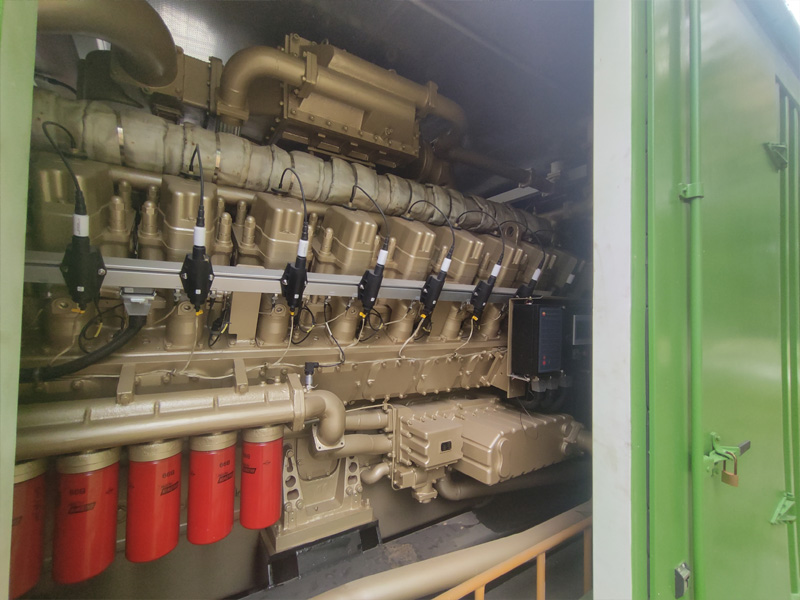
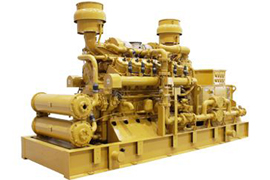
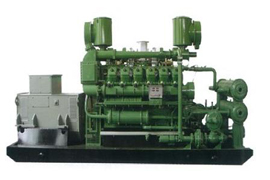
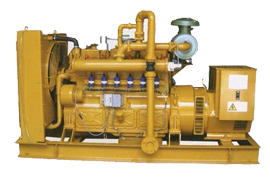
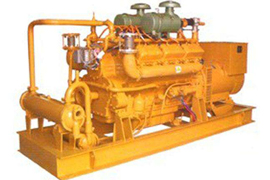
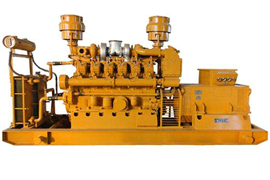
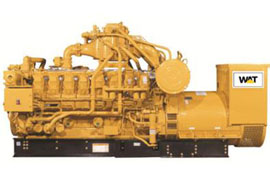
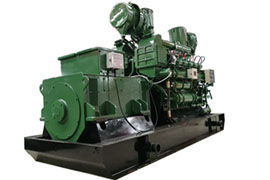
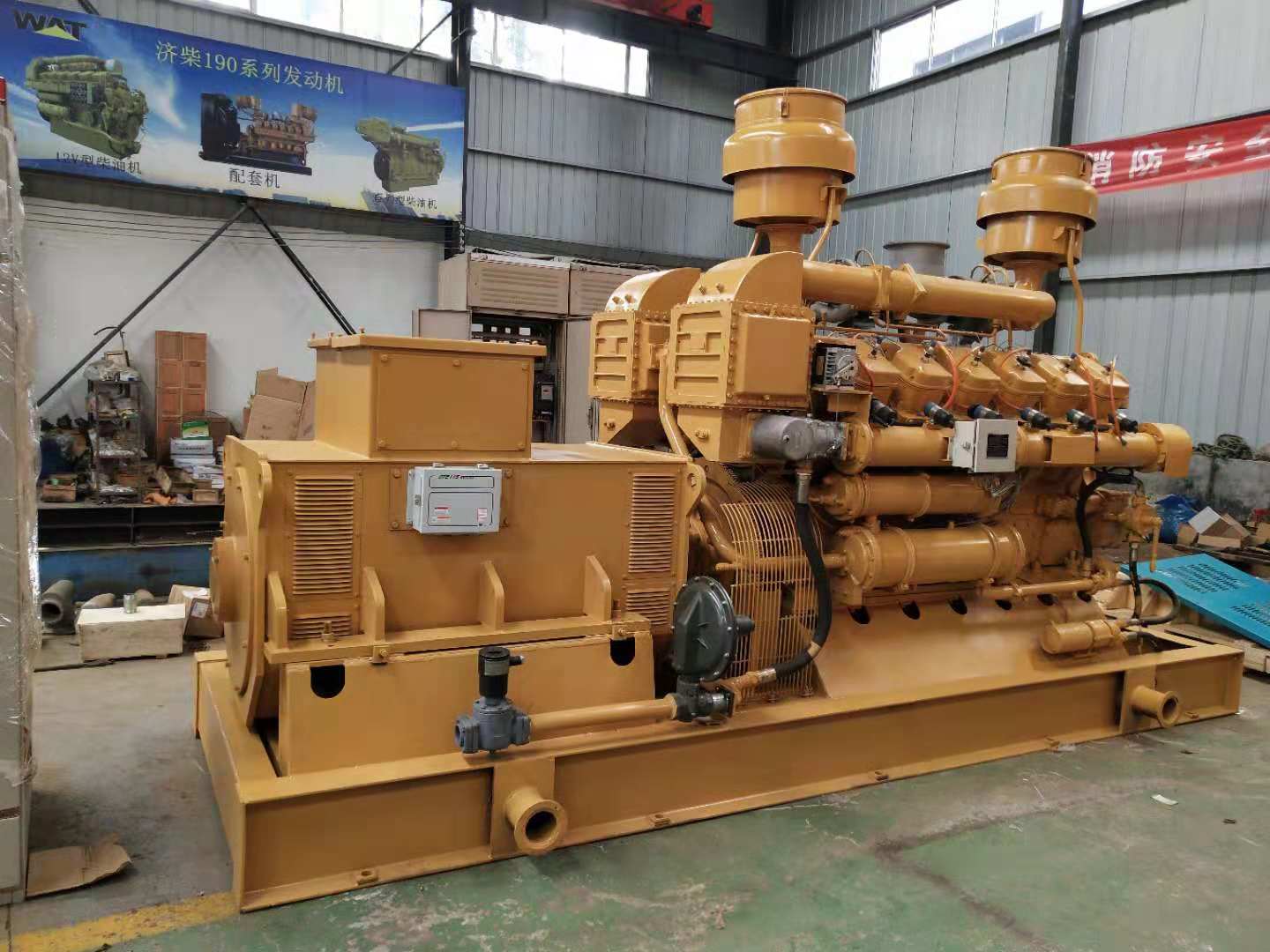
Natural gas power generation units are based on natural gas LPG、WTG、 A ignition gas engine that uses high calorific value gases such as associated gas from oil fields as fuel. On the basis of non supercharged models, a supercharging system and an intercooler system have been added. The cooling system adopts a high and low temperature cycle separation method, with high temperature cycle cooling the cylinder, body, cylinder head and other high-temperature components, and low temperature cycle cooling the supercharged gas, air and oil cooler.
I. Natural Gas Overview
Natural gas—primarily composed of methane (90% content)—produces nitrogen oxides, hydrocarbons, and carbon monoxide at levels far below national emission standards during combustion, with no particulate pollution. Its thermal conversion efficiency reaches 65%, comparable to liquefied petroleum gas (LPG) and superior to coal. On a heat-equivalent basis, natural gas prices have fallen below coal and remain significantly lower than petroleum. Natural gas serves as a versatile fuel for residential use, power generation, chemical feedstock, and industrial applications, effectively substituting coal and petroleum. Examples include replacing coal-derived gas for residential heating, substituting coal and petroleum as nitrogen fertilizer feedstock, replacing naphtha as ethylene feedstock, and substituting petroleum as automotive engine fuel.
LPG (Liquefied Petroleum Gas) primarily consists of propane.
CNG stands for Compressed Natural Gas, which is natural gas compressed to 20MPa to form high-pressure natural gas.
WTG stands for Liquefied Natural Gas, which is natural gas cooled to ultra-low temperatures of -162°C to form liquid natural gas.
Requirements for natural gas supplied to the unit (within 1 meter of the gas inlet valve of the gas-fired unit)
CH₄ volume content in natural gas ≥70%;
Natural gas pressure 80–200 kPa, pressure change rate ≤1 kPa/min;
H₂S ≤20 mg/Nm³;
Water content in natural gas ≤40 g/Nm³;
Particle size of impurities ≤5μm, impurity content ≤30mg/Nm³.
If combustible gases contain high levels of sulfur and ammonia, they not only severely corrode spark plug electrodes but also increase acid value in engine oil, corroding internal components. Simultaneously, they readily form deposits, increasing engine wear and corrosion.
Applications
• Oilfield associated gas power generation
• Industrial parks
• Petroleum processing and chemical plants
• Natural gas power generation as backup power sources
• Stand-alone units for oil well power supply